













Logo

Betonred Promo Code 2026 In Australia

A 2026 overview for Australia players who want to compare bonus entry steps, mobile play, payments, and safer session planning.

Slot Fortune Gems 2

Table of Contents

  • The Dog House Megaways Slot
  • Lucky Joker 10 Extra Gifts Slot
  • Sword of Ares Slot
  • Floating Dragon Hold & Spin Slot
  • Leprechaun Riches Slot
  • Fruit Coctail Slot
  • The Dog House Megaways Slot
  • Sword of Ares Slot
  • Fruit Million Slot
  • The Dog House Megaways Slot
  • Fruit Box Slot
  • Big Fisherman Slot
  • Seven Books Unlimited Slot
  • Betonred Fortune Slot
  • Sword of Ares Slot
  • Floating Dragon Hold & Spin Slot
  • 9 Mad Hats Slot
  • Floating Dragon Hold & Spin Slot
  • Big Bass Splash Slot

How Betonred Casino Promo Code Shapes The First Visit

Promotional offers matter most at the start, but not only because of the extra value. Their real role is to show how clearly the platform explains the path from registration to the first deposit and then into actual play. If the route is messy, even an attractive welcome package can feel harder to use than expected.
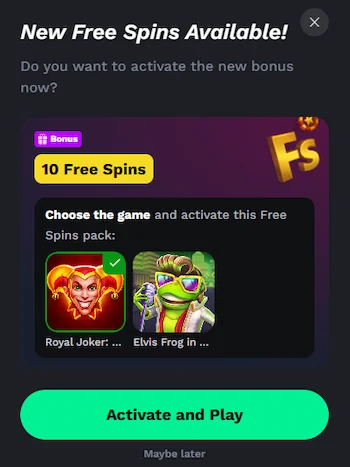
promo 1

Most adult players in Australia want a direct sequence. They register, check the profile, open the cashier, choose an amount that fits the session plan, and only then decide whether the welcome reward is worth activating. Imagine opening the platform after work with half an hour free. Usually, you are not looking for hype. You are looking for clear steps, readable balance updates, and a clean start.

When Code Promo Betonred Feels Useful For New Players

A bonus entry point works best when it reduces friction instead of creating new decisions. Many players do not need ten choices on day one. They need one clear path that explains what changes in the account after activation and how to see whether the reward is actually attached.

Picture a new user finishing registration on a phone during a commute. They usually want to know three things first: whether the offer connects to the first payment, where its status appears, and how to review progress later. If those basics are visible, the decision becomes calmer.

How To Read Betonred Promo Codes Before Making A Deposit

Reading an offer properly is a practical habit. Start with the account area, then open the cashier, then return to the reward section and compare the wording across screens. If the information matches, the experience is usually stronger. If the labels change or the account status looks vague, that is a sign to slow down.

Imagine that you are ready to fund the account but notice two different descriptions for the same reward. Usually, experienced players stop there and review before sending money. That short pause can prevent a much larger misunderstanding later.
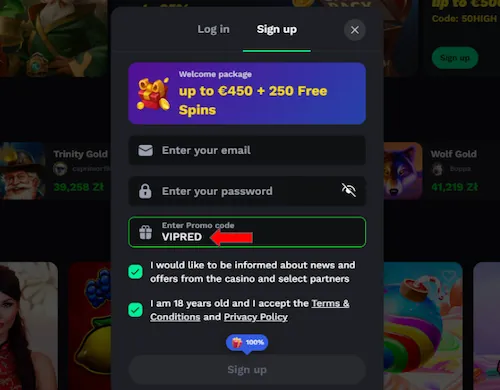
Registration, Verification, And A Sensible Start

The cleanest start is rarely the fastest one. Good registration means filling the profile carefully, checking that the details are correct, and only then deciding how much money the first session actually deserves. New players often focus on the lobby too early. In practice, the better move is to understand the account area before a single game opens.

promo 2

Usually, adult users in Australia follow a similar pattern. They create the account, inspect the cashier, test the navigation, and confirm that the layout feels comfortable on the device. Imagine someone signing up late in the evening when they are already tired. That is exactly when rushed errors happen - a mistyped email, a skipped field, a forgotten session budget.

Verification is part of the experience too. A platform that makes it feel organized and predictable creates more trust than one that leaves players guessing. Clear prompts matter more than visual polish here.

A Simple First Deposit Routine That Keeps Control

A practical first deposit routine is short. Pick a payment method you already understand, enter an amount that fits a pre-set limit, confirm the action once, and check the balance before opening any title. That sounds basic, but it prevents many avoidable mistakes.

If you are testing a new casino on a phone, a smaller first amount is often the calmer choice. Usually, the point of the first payment is not to chase a big result. It is to test the process and see how the account history records each action.

Bonus Value In Real Play, Not In Marketing Lines

Players often judge an offer by the number attached to it. That is understandable, but it is rarely the most useful method. The real value appears later, once the player starts moving through the session and sees whether the account area, reward status, and balance changes remain easy to follow.

promo 3

In real use, clarity beats excitement. A welcome reward that fits naturally into normal play will usually feel stronger than a louder one that creates confusion around activation, balance tracking, or the next step in the account. Imagine a user who only wants a short evening session. They do not need a maze of choices. They need a structure they can understand before the session starts.

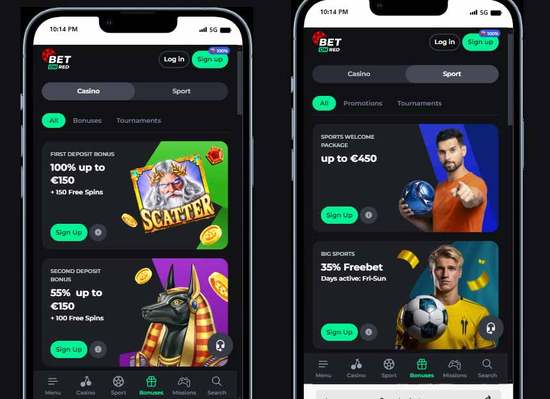
This matters even more on mobile, where players switch attention fast. One minute they are reading the cashier page, the next they are back in the lobby, then checking history. If the reward details cannot survive that movement between screens, the offer becomes harder to trust.

Mobile Use, Game Choice, And Session Flow

A phone session changes behavior. People browse less, decide faster, and return more often to familiar titles. That is why a mobile-friendly casino needs a lobby that helps users narrow down options without endless scrolling or cluttered menus.

Imagine opening the platform while waiting for transport. Usually, you are not going to study every category. You will either return to something familiar, use a quick filter, or leave if the lobby feels messy. A good mobile layout respects that pattern.

The choice of game is part of session control. Faster titles suit short breaks, while slower formats often fit a planned evening session better. The key is not which type is best in general. The key is whether the player knows why they opened the platform in the first place.

How Mobile Players Usually Narrow The Lobby

Most mobile users reduce choice quickly. They look for recent activity, one clear category, or a title they already know. That behavior is practical, not lazy. On a small screen, too much browsing often turns into random tapping.

If you have only twenty minutes, you usually want a direct path into one activity. Picture a player opening the platform during a lunch break. They are far more likely to pick something familiar than to learn a new format from scratch.

Why Clear Menus Matter More Than Extra Visuals

Decorative design can look impressive, but it does not help when the player wants to find the cashier, review account history, or return to a previous title. Strong menus save time and reduce mistakes. That matters more than visual noise, especially when the device is small and attention is limited.

A player on mobile is usually operating with one thumb, partial concentration, and a short time window. If the menu fights that reality, frustration rises fast. Good structure feels almost invisible, and that is exactly the point.

The Best Moment To Stop A Session

Many people think the right stopping point comes from instinct. Usually, it does not. It comes from a rule made before the session begins. Some players stop after a fixed amount of time. Others stop after one clear result, win or lose. The rule itself can differ, but the planning step matters most.

Imagine telling yourself you will just play for ten minutes without setting an exit condition. On mobile, that often stretches longer than expected because the device never leaves your hand. A planned stop works better than a vague promise.

Payments, Withdrawals, And Account Tracking

Cashier quality shapes trust. A player needs to understand where money enters the account, how status labels appear, and where recent actions are recorded. If the payment area feels unclear, even a smooth gaming session can lose its appeal.

The better payment experience is usually the quieter one. It shows the available methods, gives the amount field enough space, and makes it easy to return to account history. Imagine topping up the balance before a short evening session. If you cannot confirm the result in a few seconds, the platform has already added friction.

Withdrawals deserve the same calm approach. The smart habit is not to guess, but to check the recorded status, review the history area, and avoid repeating an action just because the phone view did not refresh instantly.

Account Area

What Players Usually Check

Why It Helps

Payment methods

Available ways to fund the balance

Supports quicker decisions

Amount field

Exact sum before confirmation

Reduces input errors

Balance display

Current funds after each action

Makes updates easier to verify

History section

Recent deposits, play, and cash-out requests

Helps users review activity

Limit tools

Spending or session controls

Encourages more disciplined play

How To Read Account History Without Guessing

Account history should answer simple questions quickly. Did the payment go through? Was the request recorded? Is the status final or still in progress? A good history section makes those answers visible without forcing the user to search.

Imagine seeing no change on the main balance line right after a request. Usually, the right move is to open the history area and read the status there first. Many mobile misunderstandings disappear once the player checks the recorded entry instead of relying on one screen.

Support, Limits, And Responsible Play In 2026

Convenience is useful, but it also creates risk. A phone is always close, and that means repeated checking can become part of the day before the player notices. That is why support tools and responsible-play controls matter just as much as the game lobby.

In practical terms, players need visible ways to ask for help, review activity, set limits, pause for a while, or use a stronger restriction if sessions are becoming difficult to control. Imagine someone reopening the platform several times in one evening after deciding to stop. Usually, that is the moment when built-in tools become more helpful than willpower alone.

A short timeout can work well when the issue is temporary - too many sessions in one week, frustration after losses, or a general sense that play is getting automatic. A longer self-exclusion is a stronger step, used when the pattern keeps coming back and ordinary rules no longer help.

Support also matters when technical issues appear. If a page freezes, the login loops, or the balance looks unclear, most players first try the basics - refresh, reopen, check the connection, close background apps. When that does not solve it, they need a help route that feels direct rather than generic.

When A Short Timeout Is The Smarter Choice

A short timeout works best before the situation grows heavier. If you notice that sessions are happening more often than planned, or that you keep reopening the account after promising not to, a brief pause can interrupt the pattern early.

Picture a player checking the lobby again and again after midnight. Usually, that is not about entertainment anymore. It is about habit, and a temporary block can break that loop more effectively than another private promise.

How Self-Exclusion Differs From A Regular Break

A regular break is flexible. Self-exclusion is firmer. The first is useful when a player wants space for a short time. The second is better when the same cycle has repeated often enough that softer rules no longer work.

Imagine someone who keeps setting small limits, ignoring them, then trying again the next day. Usually, that repeated pattern is the sign that a stronger barrier may be more realistic than another attempt at self-control.

FAQ

Start with the structure, not the headline number. Read how the reward is presented in the account area, whether the steps make sense from registration to deposit, and whether the status of the offer appears clearly after activation. A useful promotion should fit naturally into normal play instead of forcing the user to guess what changed. If the wording seems inconsistent across different screens, it is usually smarter to slow down and review before making a first payment.

The calmest start is usually the best one. Create the account carefully, confirm your details, inspect the cashier, and use a modest first payment to test the full route. That includes the balance update, the history section, and the way the platform behaves on your device. Many players rush straight to the lobby, but a short technical and account check often saves more frustration than people expect.

Phone play feels easier because the device is always nearby, but that is exactly why planning matters more. A mobile session can start in seconds and continue longer than intended if there is no fixed limit around it. Usually, players do better when they decide the time window, the spending cap, and the exit point before opening the first title. Convenience helps with access. It does not automatically help with discipline.

Do not repeat the action immediately. First, refresh the page once, then open the account history and look for the recorded entry and its current status. In many cases, the issue is visual rather than financial, especially on mobile when the connection changes or the screen does not refresh cleanly. If the status remains unclear after a careful check, that is the right moment to contact support with a precise description of what happened.

The signals are usually practical rather than dramatic. You may notice more frequent logins, longer sessions than planned, or repeated attempts to recover a mood through play. Those are signs that a pause can help. A short timeout is often enough when the pattern is new. If the same problem returns again and again, stronger restrictions may be the more realistic option.

Reliability on mobile comes from clarity. The amount field should be obvious, the method list should be easy to read, and the account history should sit close enough to confirm what happened after each action. Players trust a cashier more when they can see the route from choice to confirmation to recorded result without hunting through menus. On a phone, that straightforward structure matters more than decorative design.

Not necessarily. A larger-looking offer can still be less useful if the steps around it are confusing or if the player cannot track the reward properly after activation. Most experienced users care about how clearly the offer fits into the full session: sign-up, first payment, balance tracking, play, and exit. A reward that is easy to understand often feels better in practice than one that only looks stronger at first glance.